top of page



IMG_9399
IMG_9420
GOPR1001
IMG_9399
1/6

ADVENTURERS
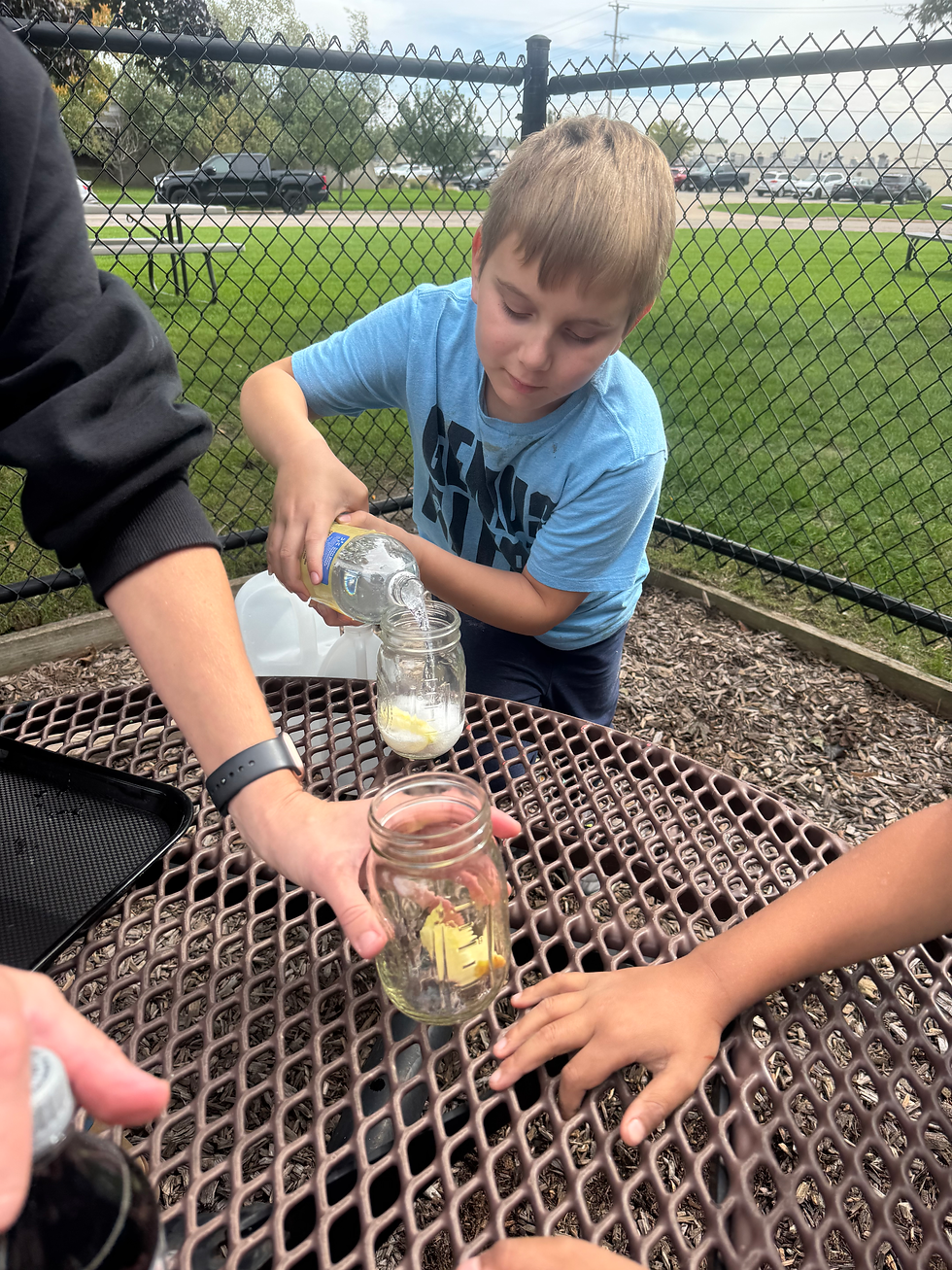
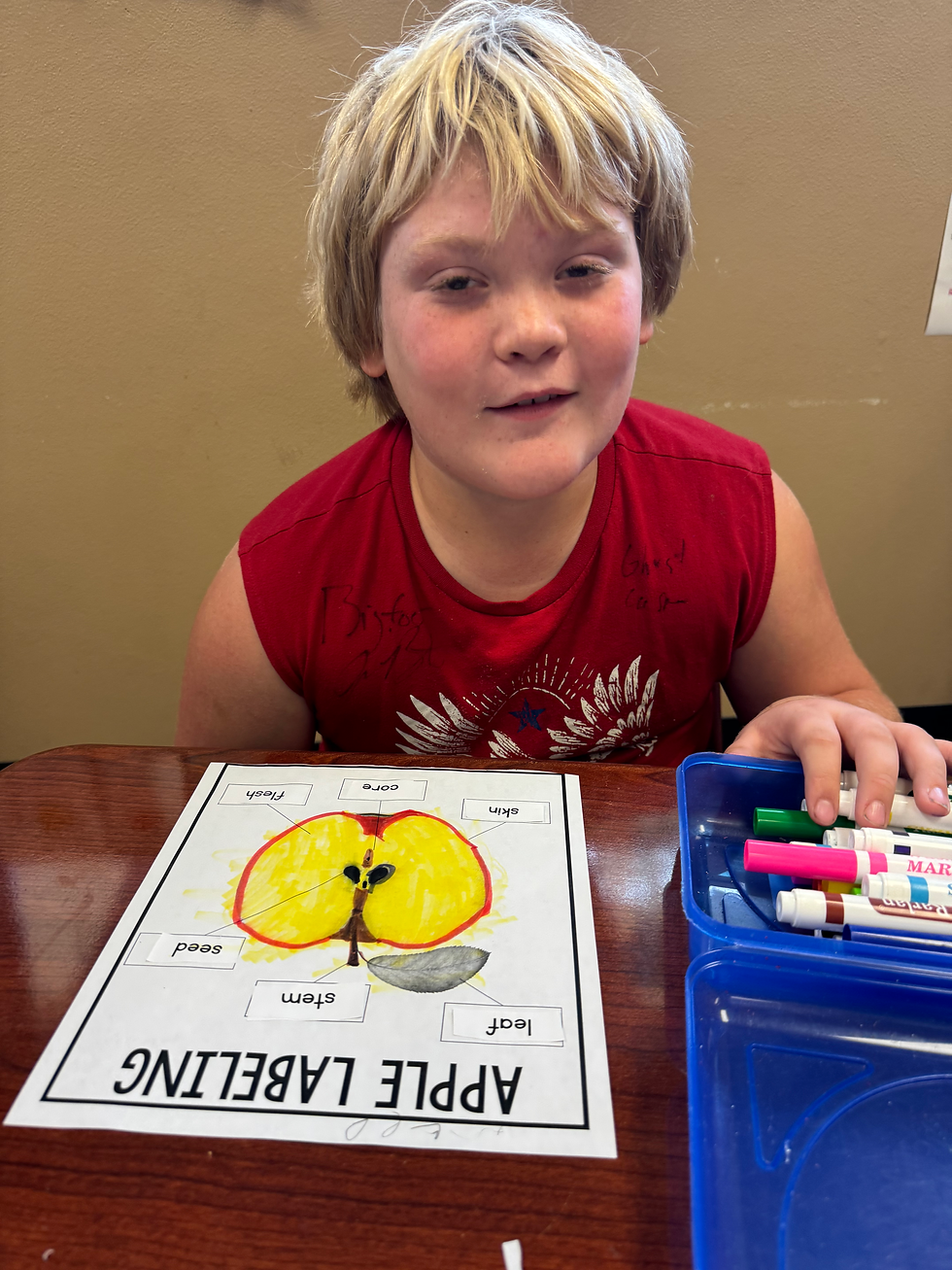
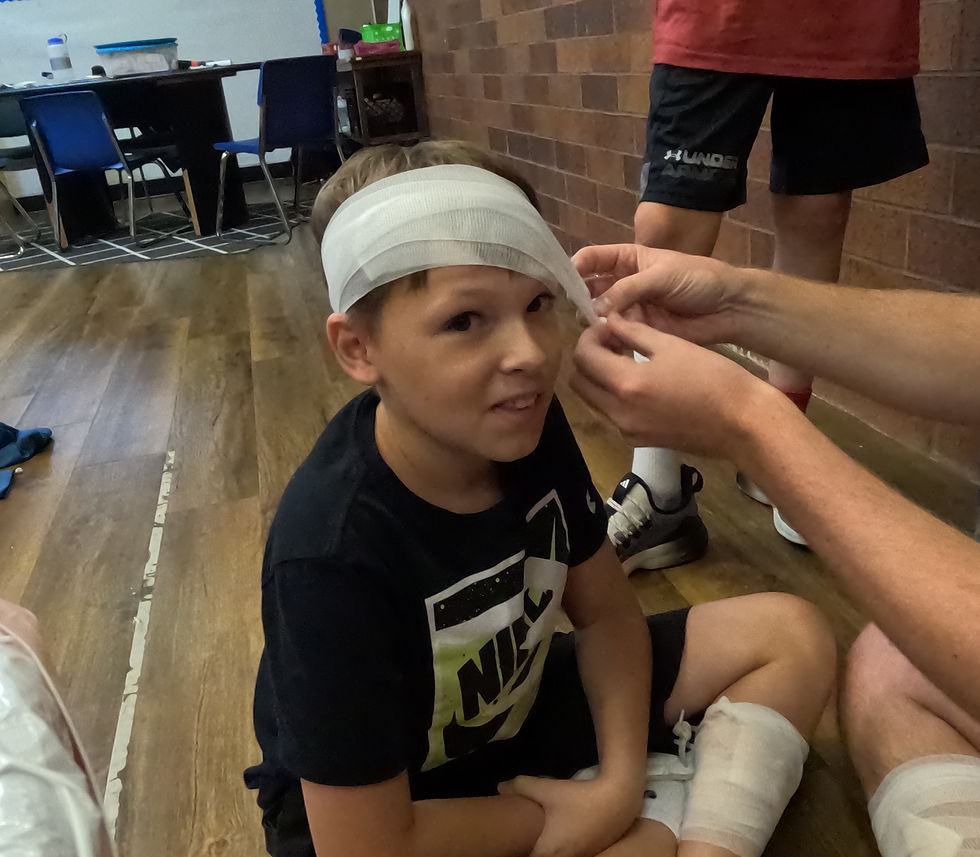
This quarter, our Adventurer students are learning about their bodies and how to take care of themselves. We are using hands-on activities to explore our five senses, discover how food and water help us grow, and notice what happens to our hearts and breathing when we move. Along the way, we are practicing everyday habits like washing our hands, getting rest, and keeping our bodies safe. Our goal is to help students feel curious and confident as they learn more about themselves!
EXPLORERS
Our Explorer students are taking a closer look at how their bodies work and how different systems support one another. We are building models, exploring digestion and nutrition, and learning how the brain helps us process information from our senses. Students are also investigating how movement affects their bodies by collecting data, creating graphs, and discussing what they notice. We encourage them to ask questions, work together, and connect what they learn to the choices they make every day.
EXPEDITIONERS
This quarter, our Expeditioner students are exploring how their bodies maintain balance and respond to changes like movement and temperature. We are looking beyond the facts to ask thoughtful questions about health information, analyze data, and decide whether evidence supports claims. Students will choose a wellness topic that interests them, investigate it, and share their findings through a project of their choice. We want them to leave this unit with a better understanding of their bodies and more confidence in making informed decisions about their well-being.
bottom of page